10 Apps That Can Help You Control Your Emergency Lock Repair


Understanding Window Lock Parts: A Comprehensive Guide
Windows are not just openings for light and air; they are crucial components of a structure's security and energy effectiveness. An essential element of window performance is the locking system, which guarantees that windows can be firmly closed and opened as needed. This article dives into the various parts of window locks, their functions, and how to keep them to guarantee optimal efficiency.
Intro to Window Locks
Window locks are created to protect windows in a closed position, preventing unapproved gain access to and guaranteeing that the window remains securely sealed. They are available in numerous types, each fit to different window designs, such as sash, double-hung, and moving windows. Understanding the components of a window lock is essential for property owners, maintenance professionals, and anybody included in window setup or repair.
Common Types of Window Locks
Webcam Locks
- Description: Cam locks are commonly used in casement windows. They consist of a manage and a turning cam that engages with a strike plate.
- Function: When the deal with is turned, the web cam turns and pushes versus the strike plate, protecting the window in place.
Lock Locks
- Description: Latch locks are normally discovered in double-hung windows. They include a lock that slides into a keeper.
- Function: The lock slides into the keeper, locking the window in place and avoiding it from being opened from the outside.
Move Locks
- Description: Slide locks are used in sliding windows and patio doors. They consist of a sliding mechanism that engages with a locking point.
- Function: The slide lock moves along a track and locks into place, securing the window or door.
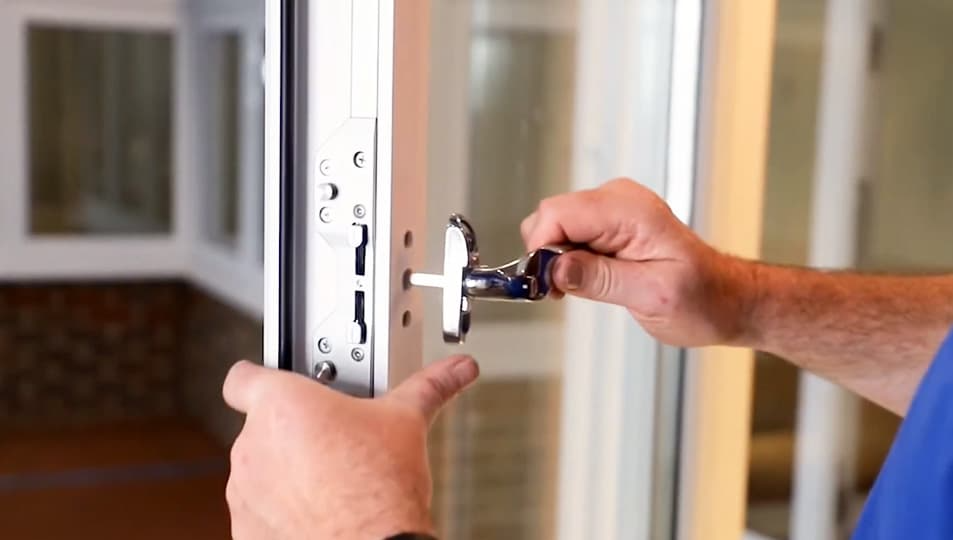
Multi-Point Locks
- Description: Multi-point locks are used in high-security applications and offer several locking points along the window frame.
- Function: These locks engage at multiple points, supplying boosted security and a tighter seal.
Key Components of Window Locks
Deal with
- Description: The deal with is the part of the lock that the user interacts with to open and close the window.
- Function: It offers a grip for turning or moving the lock system.
Web cam or Latch
- Description: The cam or latch is the moving part of the lock that engages with the strike plate or keeper.
- Function: It locks the window by pressing against the strike plate or moving into the keeper.
Strike Plate or Keeper
- Description: The strike plate or keeper is the fixed part of the lock that the camera or latch engages with.
- Function: It offers a surface area for the cam or lock to press against or slide into, securing the window.
Spring
- Description: Springs are frequently utilized in window locks to offer stress and ensure that the lock remains in location.
- Function: They assist to keep the lock system tight and avoid it from loosening up over time.
Installing Hardware
- Description: Mounting hardware consists of screws, bolts, and brackets used to attach the lock to the window frame.
- Function: It makes sure that the lock is safely attached and operates properly.
Maintenance and Troubleshooting
Appropriate upkeep of window locks is crucial for their durability and performance. Here are some pointers for preserving and troubleshooting common issues:
Regular Cleaning
- Action: Clean the lock system with a soft fabric and mild detergent.
- Advantage: Prevents accumulation of dirt and particles that can hinder the lock's operation.
Lubrication
- Action: Apply a little amount of lubricant to moving parts, such as the webcam or slide system.
- Benefit: Reduces friction and guarantees smooth operation.
Look for Wear and Tear
- Action: Inspect the lock for signs of wear, such as loose screws or damaged parts.
- Benefit: Identifies possible problems before they become significant issues.
Change
- Action: Adjust the strike plate or keeper if the lock is not interesting correctly.
- Benefit: Ensures that the lock functions properly and the window is securely closed.
Replacement
- Action: Replace worn or broken parts as needed.
- Benefit: Maintains the security and functionality of the window.
Frequently asked questions
Q: How often should I lube my window locks?
- A: It is recommended to lube window locks when or twice a year, depending on use and environmental conditions.
Q: What kind of lube should I utilize for window locks?
- A: Use a silicone-based lube or a light device oil. Prevent utilizing grease, as it can draw in dirt and dust.
Q: Can I replace a broken window lock myself?
- A: Yes, lots of window locks can be replaced with basic tools. Nevertheless, if you are unsure, it is best to consult an expert.
Q: How do I know if my window lock requires modification?
- A: If the lock is tough to engage or disengage, or if the window does not close securely, it may need change.
Q: What should I do if my window lock is jammed?
- A: Try applying lubricant and gently working the lock backward and forward. If window lock technician does not work, it might be necessary to take apart the lock to identify and resolve the issue.
Window locks are vital for the security and performance of windows. Comprehending the different types of locks and their parts is crucial for proper maintenance and troubleshooting. By following the suggestions outlined in this post, property owners and maintenance professionals can make sure that their window locks continue to perform optimally, offering peace of mind and energy performance.
By making the effort to take care of window locks, you can extend their life expectancy and keep the stability of your windows, adding to a more secure and more comfortable living environment.